
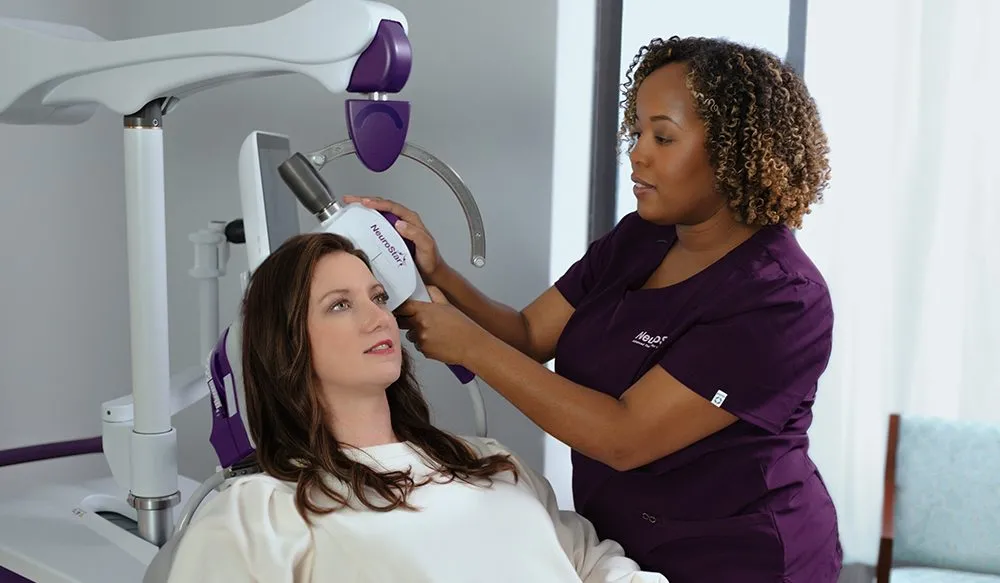
If you’ve been living with depression that hasn’t responded to medication, you’ve probably asked this question yourself: does TMS actually work – or is it just another option that sounds promising but falls short?
It’s a fair question. You’ve likely tried things that didn’t work before. The last thing you need is false hope.
So let’s skip the vague claims and look directly at the evidence.
This question comes up most often from people who have already been diagnosed with treatment-resistant depression, meaning two or more antidepressants have not brought real relief. That is exactly the group NeuroStar TMS was studied on, so it is worth a close look at the data.
The Real-World Numbers
NeuroStar TMS is the most clinically studied TMS system for depression in the world — with data from over 17,700 patients across more than 118 treatment sites. These aren’t ideal clinical trial conditions. This is real-world data from real patients who walked into clinics just like Mediterra Mindful Care.
Here’s what that data shows:
- 83% of patients who completed a full NeuroStar treatment cycle experienced measurable improvement in their depression symptoms
- 62% of patients achieved full remission — meaning they would no longer meet the diagnostic criteria for Major Depressive Disorder
- Significant improvements were observed in patients as early as two weeks into treatment
- NeuroStar is the only TMS therapy with proven durability studied over 12 months
To put those numbers in perspective: for patients who haven’t found relief after trying three or more antidepressants, the chance of remission from the next medication is less than 7%. NeuroStar’s 62% remission rate is not just meaningful — it’s a dramatic difference.
What Makes NeuroStar Different from Other TMS Systems?
Not all TMS is the same. NeuroStar is the #1 physician-recommended TMS system for depression in the United States, and it’s earned that position through a combination of precision engineering and clinical rigor.
Contact Sensing technology — NeuroStar is the only TMS system that provides continuous real-time feedback to the clinician, ensuring the coil stays correctly positioned and the patient receives the exact prescribed dose every single session. Consistency matters enormously in outcomes.
The largest outcomes registry in depression — NeuroStar’s data set is unmatched. Over 8.5 million treatments have been performed on more than 230,000 patients. No other TMS system comes close to this level of real-world evidence.
FDA-cleared for multiple conditions — NeuroStar is cleared for Major Depressive Disorder (MDD), MDD with anxious depression, and Obsessive-Compulsive Disorder (OCD) — making it one of the most versatile evidence-based psychiatric tools available.

Who Does It Work Best For?
NeuroStar tends to work best for people who:
- Have a confirmed diagnosis of Major Depressive Disorder
- Have tried at least two antidepressants without adequate relief
- Are bothered by the side effects of medication — or want to avoid them entirely
- Are committed to completing the full treatment course (typically 3–5 sessions per week over 6–12 weeks)
The data is also clear that results compound over time. Most patients who benefit from NeuroStar begin noticing changes around the fourth week of treatment. Completing the full course is key to achieving the best outcome — and to experiencing the long-term durability NeuroStar is known for.
What About Side Effects?
One of the reasons TMS outcomes data is so compelling is the side effect profile — or rather, the near absence of one.
Because NeuroStar works locally at the brain rather than circulating through the body, there are none of the systemic side effects associated with antidepressants: no weight gain, no sexual dysfunction, no nausea, no sedation. The most commonly reported side effects are mild scalp discomfort or a temporary headache during the first few sessions — both of which tend to resolve quickly and can be managed easily if needed.
You stay fully awake and alert during every session. You drive yourself home. You return to your normal day immediately.
The Honest Answer
Yes – NeuroStar TMS works. Not for everyone, and not as a magic switch. But for people with treatment-resistant depression, it offers a level of evidence, efficacy, and tolerability that few psychiatric treatments can match.
The 83% response rate and 62% remission rate aren’t marketing numbers. They come from the world’s largest outcomes registry in Major Depressive Disorder, collected from real patients over years of clinical practice.
If you’ve tried medication and haven’t found the relief you deserve, NeuroStar may be the answer worth exploring.
Find Out If It Could Work for You
At Mediterra Mindful Care, our psychiatric team evaluates every patient individually to determine whether NeuroStar TMS is the right fit. We’ll review your history, answer your questions honestly, and help you understand what to realistically expect.
Contact us today to schedule your consultation.


An interesting perspective on how chiropractic care may help alleviate migraines. It’s encouraging to see alternative treatments being explored for such a debilitating condition. I would love to learn more about the scientific evidence behind this and hear about anyone’s personal experiences with chiropractic relief for migraines.
Comments are closed.