TMS Side Effects: What to Expect and How Safe Is TMS Therapy?

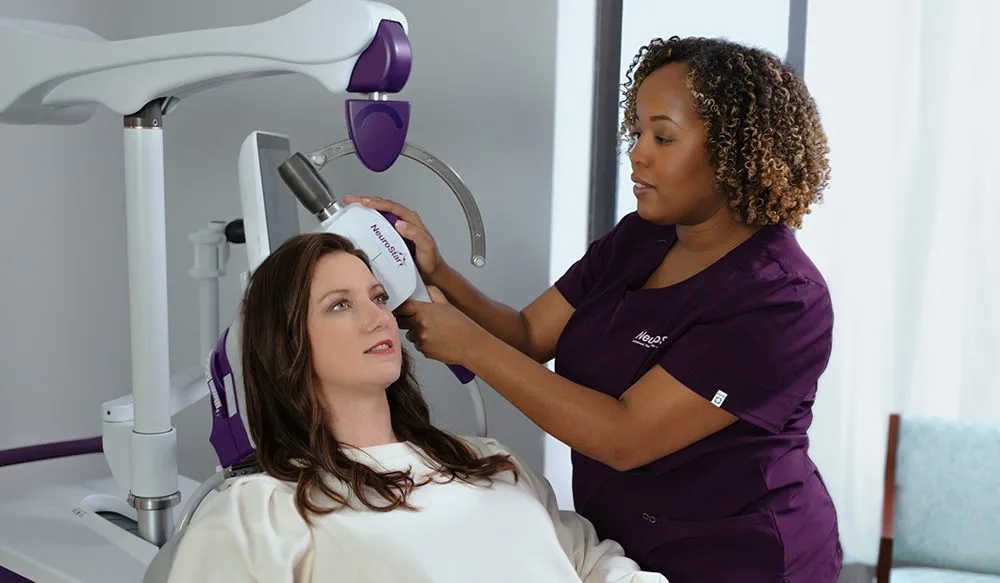
TMS technician talking with a male patient before a NeuroStar session

If you are considering TMS for depression, it is natural to ask what it feels like and whether it is safe. TMS has been FDA-cleared for depression since 2008 and is performed in an outpatient office while you are awake.

The short answer is that side effects of TMS are usually mild and temporary. The most common is discomfort on the scalp during early sessions. Serious side effects are rare. Here is what to expect.

*
*
*

The most common side effects

Scalp discomfort. The magnetic pulses create a tapping sensation, and many people feel discomfort or mild pain on the scalp near the treatment site. For most patients, this happens during the first week of treatment and eases as the course continues. Your care team can adjust your position or settings to make sessions more comfortable.

Headache. Some people get a mild headache after early sessions. It usually responds to over-the-counter pain relief and tends to fade over the first week or two.

Facial twitching. The pulses can briefly stimulate nerves and muscles in the scalp and face, causing twitching of the eyelid or jaw during a session. It stops when the pulses stop.

Lightheadedness. Some people feel briefly lightheaded after a session.

Why you wear earplugs

The TMS coil makes a loud clicking sound when it delivers pulses. Patients wear earplugs or other hearing protection during every session to protect their hearing.

Is there a risk of seizure?

Seizure is the most serious known risk of TMS, and it is rare. For NeuroStar TMS, the risk is estimated at less than 0.1% per patient. Your provider reviews your medical history before treatment, including any history of seizures, head injury and medications that can lower the seizure threshold, to make sure TMS is appropriate for you.

Who should not have TMS?

TMS is not suitable for people with non-removable conductive, ferromagnetic or other magnetic-sensitive metal in or near the head. Examples include aneurysm clips or coils, cochlear implants, stents in the neck or brain, deep brain stimulators and bullet fragments near the head. Braces and dental fillings are generally not a problem.

Be sure to tell your provider about any implants, devices or metal in your body, as well as any history of seizures, bipolar disorder or other medical conditions.

TMS side effects compared with antidepressants

Because TMS does not involve medication, it does not circulate through your body the way antidepressants do. That means it does not cause the systemic side effects some people experience with medication, such as weight gain, sexual side effects, stomach upset or daytime drowsiness.

TMS also does not require anesthesia and does not cause the memory problems associated with electroconvulsive therapy (ECT). You can drive yourself to and from sessions and return to work or daily activities right away. Read more in can you work, drive and exercise during TMS?

Common myths about TMS safety

Myth: TMS is the same as shock therapy. It is not. TMS uses magnetic pulses directed at a specific area of the brain, while you are awake, without anesthesia and without inducing a seizure.

Myth: TMS affects your memory. TMS has not been shown to cause memory problems.

Myth: TMS is experimental. TMS has been FDA-cleared for depression since 2008 and is covered by most major insurers. For more, see common myths about TMS therapy.

What to tell your care team during treatment

Let your care team know if you have discomfort during a session, headaches that do not go away, changes in medication or sleep, or any new or worsening mood symptoms. If you have thoughts of harming yourself, contact your provider right away or call or text 988 to reach the Suicide & Crisis Lifeline.

To learn what a typical appointment looks like, read your first TMS session: what to expect.

Talk with us about whether TMS is right for you

Every patient at Mediterra Mindful Care is screened for safety before starting treatment. Learn more about TMS therapy in Albuquerque, or contact us to schedule a consultation.

Interested in learning how NeuroStar TMS can support your mental health?

Contact Mediterra Mindful Care today to schedule your consultation.

What do you think?